
So you want to be a guide?
But what does that actually look like?
How do I even start to pursue my dreams?
So you’ve discovered the vast world of international guiding. Maybe you went on a trip, or maybe a friend told you about it, but either way, here you are. Thinking about changing your life to follow a dream of working in the most remote parts of our planet.
I wish it were that simple…
Being an international wilderness guide require a lot of complex skills that are very dependent on where you plan to work. It is more than just a job, it is a lifestyle. The wonderful thing about wilderness guiding is that there is no “traditional” way of becoming a guide. Guides come from all backgrounds and all walks of life. Some of the best guides were lawyers, teachers, or other seemingly unrelated fields of work. The most important traits are attention to detail, being keen to constantly learn, and understanding the complexities of travelers. Everything else can be taught.
The skills required to get into the guiding world will vary based on the region, and the nature of the job you are looking for. On land, if you want to be a hiking guide, you can simply go to schools and training academies for hiking guides. There may be a nationally recognized body saying what is right or wrong in the hiking world. However, the maritime guiding world is slightly more complex as there are often national or international maritime authorities that have specific legal requirements for commercial operations on the water. Those legal requirements set out by national authorities (think Transport Canada here in Canada) to work as a seafarer are often focused strictly on what’s needed to be on the water, but not necessarily what’s needed to be a guide on the water. Seafaring vs guiding are two very different things. While there are a lot of cross over skills between being a seafarer and being a guide, there are way more nuanced skills of being a guide. Guides have to consider not just vessel safety, but guest comfort and entertainment. Guides have to be boat drivers, but also shore staff leading people on hikes, or finding the next best photo opportunity and holding the boat in the perfect spot so guests can get their photos. Guides have to be educators, emotional support, and curators of the guests experience. That’s where Marine Guide Training (MGT) comes in. We focus on the skills that are required beyond the legal aspects of the marine world.
So all that said, marine guides will also have to have the legal requirements satisfied.
So what are the legal requirements?
Gone are the days of flying down to Antarctica, and jumping on board a ship and driving past icebergs bigger than houses with no commercial boating license or marine tickets. Thankfully, some oversight has come in. It is a bit of a square peg, round hole situation, with a lot of the legal requirements not actually being functional training for guiding, but regardless they are needed. So what are the legal requirements most expedition cruising vessels need?
*Note, not all ships will require all of the below certification. The more you have though, the more companies you can apply to. There may also be other certs required by some vessels, depending on regions visiting.
STCW Basic Safety Training – a week long, ship emergency safety course.
STCW Crowd Management – can be done online.
STCW Security Awareness – can be done online.
A national boating license, or RYA2, or some companies accept PTGA Zodiac cert.
Basic First Aid (or higher)
ENG1 Medical – fitness test specific to mariners.
Firearm license – if working in the arctic and wanting to be polar bear safety staff.
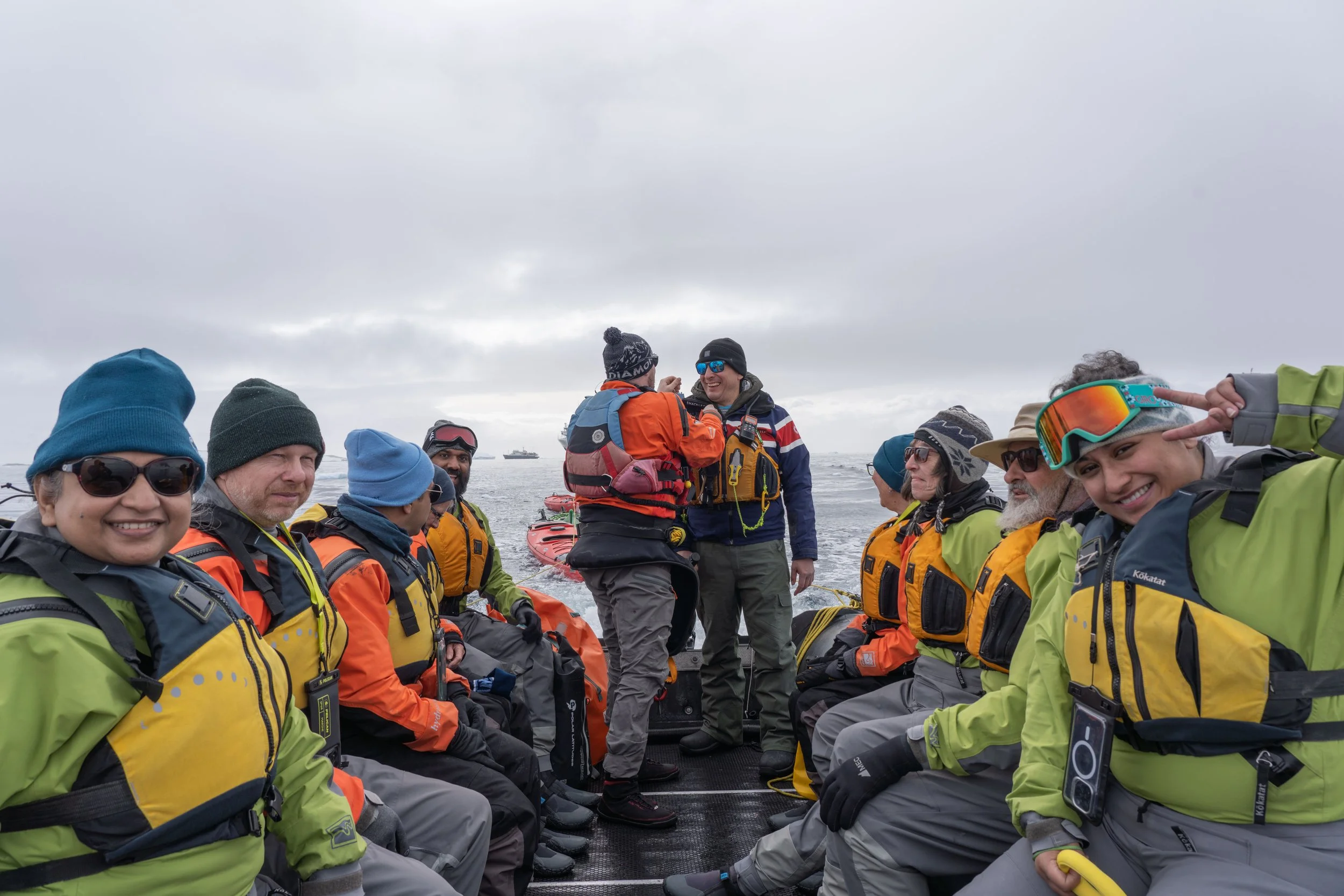
But what about “Guide” certificates?
Very few of the legal certifications actually teach you how to guide people, which is where PTGA, and PTGA accredited training facilities like MGT comes in. PTGA (Polar Tourism Guides Association) exists to ensure that guides working on expeditions ships are maintaining a suitable degree of skills required to be not just legally certified, but to be a solid guide. PTGA accreditation adds to you portfolio of guiding certification. At MGT, we focus on training the marine focused qualifications through PTGA, which are part of the foundational qualifications that PTGA offers. Beyond the PTGA certs, the specific role you want to be working in will have it’s own set of requirements as well.
A brief summary of roles on board ships include (but are not limited to):
Presenters– Geology, history, ornithology, marine mammals, photography, anthropology, etc. You will be giving lectures and recaps on board, as well as driving zodiacs and guiding on land. A background of studying said topics will help secure a job as presenter greatly. You will also be driving boats and guiding people on hikes and on land.
Zodiac drivers/General Naturalist – mainly focused on driving small boats, and guiding people on land. Also helping out with any and every task as needed.
Adventure guides– Kayak guides, mountain guides, etc. You will need skill specific certification (e.g. kayak guides will need kayak guide certification as well as everything else)
Program Coordinator – Logistics focused role, planning the daily schedule and ensuring everything is running smooth. This role is sometimes combined with other roles.
Citizen Science Coordinator – a relatively new role in the industry, sometimes it is combined with other roles. In charge of running the citizen science program and coordinating other staff that are helping out.
Translator – Translators will translate to mother tongue languages all of the day-to-day activities, lectures, recaps, and help guide on land. Could be zodiac driver, but not necessary.
There are more roles, like Expedition Leader, Assistant Expedition Leader, Guest Experience Manager, however they typically require prior experience in the industry. Some companies also have roles that are unique to those companies…worth looking into each company and seeing what they offer that other don’t.
All of the roles mentioned above will benefit from you being able to drive boats and present information to guests in entertaining and competent ways. Whether you are a presenter, or a kayak guide, or translator…the more skills and certs in your portfolio the more hire-able you are.
Marine Guide Training can help set you up with the foundation you need to be a stand out polar guide, and to ensure you are entering the industry with the right set of practical skills beyond the legal requirements.
Click here to learn more about our Polar Guide Training Week.